

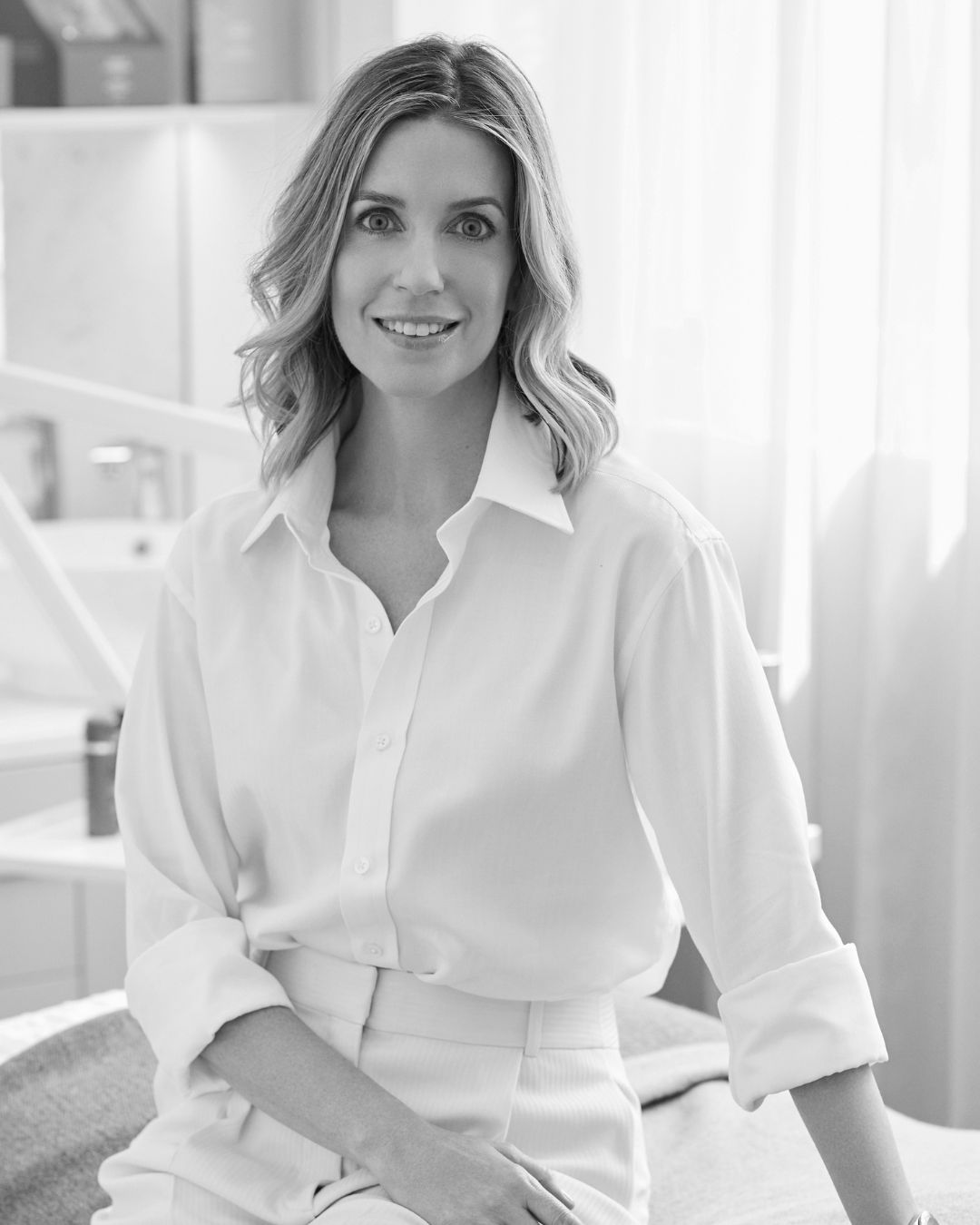
Sarah Chapman - Celebrity Facialist
As a world-leading facialist, how do you define skin longevity?
Skin longevity is about taking a proactive approach to preserving skin health for the long term and investing in your skin’s function proactively, rather than simply treating visible concerns as they arise. A key focus is on achieving resilience and healthy skin function; the ability of the skin to adapt, defend and repair itself through every stage of life, despite the inevitable challenges it faces from hormonal fluctuations, stress, environmental aggressors, aging and lifestyle factors. Stimulating your skin to be strong, healthy and look good at all ages and life stages in a way that supports a youthful glow and preserves long-term skin health.
If someone wanted to start focusing on skin longevity today, what are the first steps you would recommend?
Prioritise consistency over complexity. You don’t need an overwhelming 12-step routine – what matters is that your routine works for you and your skin. This means it fits realistically within your lifestyle and is something you can stick to every day. The products and actives you use should be targeted to your skin’s unique concerns, rather than whatever viral product or trend is being touted as the answer to skin longevity because no two skins are the same. If you’re unsure what your skin actually needs, I would always recommend a personalised consultation in clinic, so an expert can curate a routine bespoke to you.
It’s also important to remember that your skin’s needs can change with the seasons and through different stages of life, so regular facial treatments and consultations can help ensure your routine evolves with you. And of course, skin longevity is never just about skincare alone. Sleep, stress management, nutrition, hydration and movement all have a profound impact on how the skin functions. Skin is often a reflection of what’s happening elsewhere in the body, so true longevity requires a whole-person approach.
Starting with skincare – how can topical products support skin longevity?
Topical skincare is one of the most direct ways we can support skin longevity because it can influence key biological processes within the skin. The skin is constantly exposed to UV, pollution, temperature changes, oxidative stress and inflammation, all of which accelerate collagen breakdown, weaken barrier function, disrupt hydration and slow cellular renewal. Well-formulated topical products can help counter these processes by supporting fibroblast activity, stimulating collagen and elastin production, reducing free radical damage, calming inflammation, reinforcing the lipid barrier and improving the skin’s ability to repair itself.
What makes the field of topical skincare particularly exciting now is the science of delivery. It is not enough to have a powerful ingredient if it cannot remain stable, penetrate effectively and reach the right layers of the skin. Encapsulation, liposomal systems, deep-delivery technologies and advanced molecular engineering all help improve delivery, protect fragile actives and enhance performance. That combination of clinically proven actives and intelligent delivery systems is where topical skincare becomes truly game-changing.
We have always focused on skin longevity by formulating with performance actives that target multiple processes in the skin from peptides for collagen, antioxidants and vitamins for skin health to teprenone for increasing the life span of telomeres. The skin longevity cycle needs to address mitochondrial health, delaying cell senescence and stimulating renewal while always supporting skin barrier.
What ingredients do you believe are integral to upholding long-term skin health?
Ultimately, longevity isn’t about relying on one miracle ingredient. It’s about using a variety of clinically proven actives consistently and intelligently over time.
Having said that, if I had to choose one ingredient category, it would be Vitamin A/retinoids. It remains the gold standard for supporting skin longevity because it works across multiple pathways associated with ageing: it helps stimulate collagen production, supports cellular renewal, improves skin texture, reduces the appearance of fine lines and helps maintain overall skin health.
Alongside Vitamin A, I would consider antioxidants essential. They defend the skin against free radical damage caused by UV exposure, pollution and other environmental stressors that accelerate skin ageing.
Peptides are another key pillar of a longevity-focused routine. These intelligent messenger molecules help support communication within the skin, encouraging many vital biological processes. And lastly ceramides and omegas to help preserve strength and barrier.
As a facialist, do you believe the power of touch can support skin health? What role does facial massage play?
I’ve spent close to three decades witnessing the transformative effects of touch, both physically and psychologically. From a physiological perspective, facial massage helps stimulate circulation, encourage lymphatic drainage, reduce muscular tension and support healthy skin function. Many of the visible signs we associate with ageing, puffiness and fatigue can be exacerbated by tension patterns in the face, jaw, neck and shoulders, so releasing these areas can have a notable effect on both how the skin looks and functions.
But the psychological benefits are equally important – we know chronic stress can contribute to inflammation, disrupt sleep and negatively impact skin health. Facial massage calms the nervous system, reduces stress and promotes a greater sense of wellbeing. I’ve always believed that skin health and emotional wellbeing are intrinsically linked. When someone leaves a treatment feeling more relaxed, confident and energised, those benefits extend far beyond the skin. I place huge emphasis on considering both the physiological and psychological aspects of skin health longevity.
Looking a little deeper than the skin’s surface – what holistic interventions do you believe are integral to skin longevity?
The future of skin longevity lies in recognising that skin does not exist in isolation. The skin is often one of the first places we see the effects of what’s happening elsewhere in the body, whether that’s chronic stress, inflammation, hormonal fluctuations, nutritional deficiencies or poor sleep. This understanding is what led us to launch the Longevity Division at Sarah Chapman Medical, bringing together advanced diagnostics, functional medicine and whole-body health expertise.
Working alongside Dr Miriam Mikicki and Functional Medicine Practitioner Elena Rolt, we’re able to look beyond visible symptoms and investigate the underlying factors that may be influencing how the skin functions. By addressing areas such as gut health, metabolic health, hormonal balance, inflammation and nutrient status, we can create more meaningful and sustainable improvements in both skin health and overall wellbeing. For me, longevity medicine represents a shift from correction to optimisation. It’s about helping people become healthier, stronger and more resilient from the inside out – and healthy, resilient skin is often a natural consequence of that.
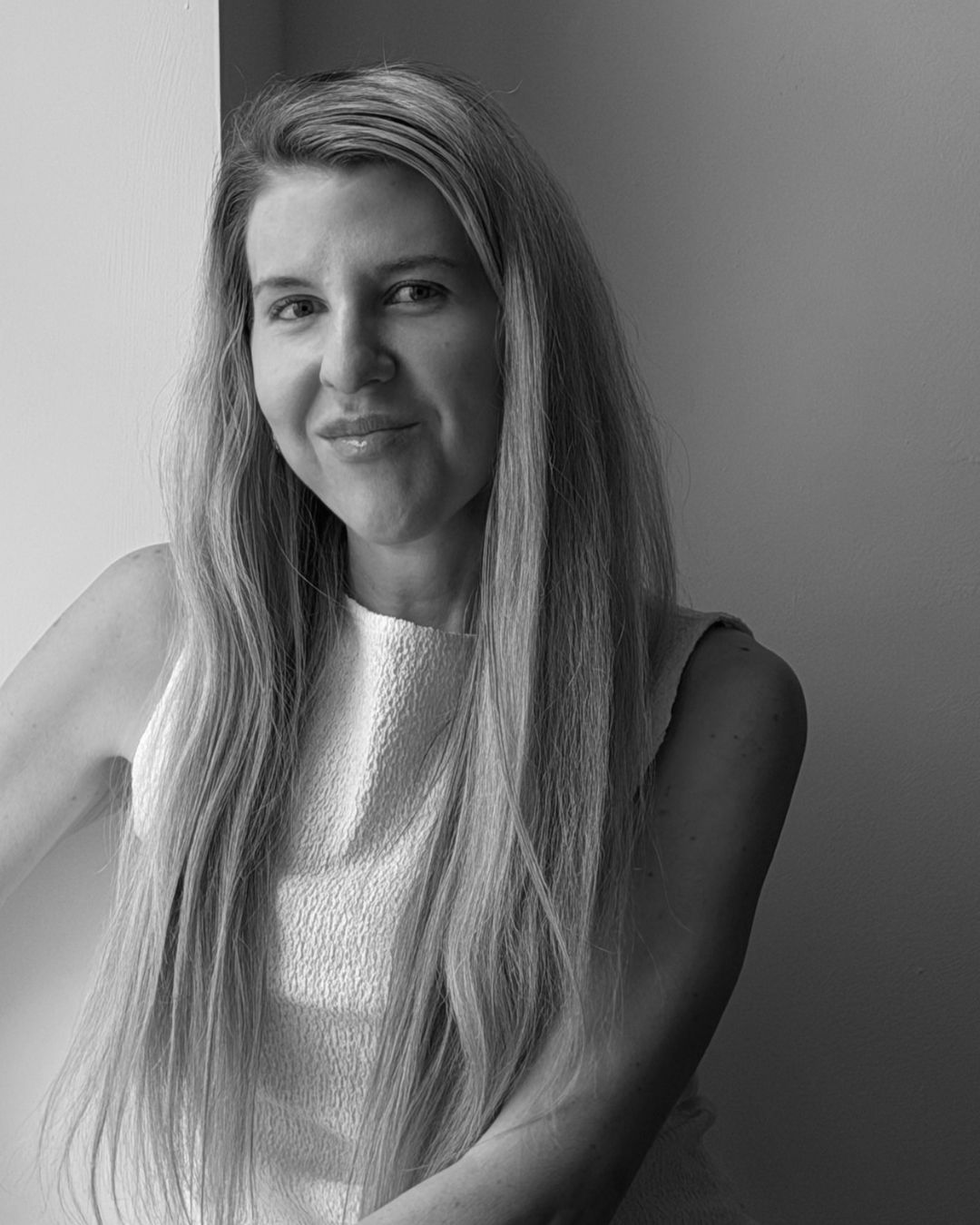
Dr. Miriam Mikicki - Functional Medicine Practitioner at Sarah Chapman Medical
As a Functional Medicine practitioner, how do you define skin longevity beyond the traditional idea of anti-ageing?
For me, “anti-ageing” is quite a narrow concept. It tends to focus very much about the surface, correcting visible signs of ageing, whereas skin longevity is about supporting the long-term health and function of the skin through a whole-body approach. I see the skin as a reflection of what’s happening internally, so when I’m thinking about skin longevity, I’m looking at the wider picture: gut health, hormones, inflammation, immune function, detoxification and metabolic health. In my practice, I often start with the gut because many chronic skin concerns have their roots there. What makes skin particularly fascinating is how quickly it responds to positive changes. Improvements in skin health can often be one of the earliest visible signs that the body is becoming more balanced and resilient.
Drawing on both Functional Medicine and Traditional Chinese Medicine, I see persistent skin concerns not simply as surface issues, but as signals that something deeper may need attention. Especially in Traditional Chinese Medicine, we tend to think of skin conditions in layers. Often you can treat the outer layer directly, but severe cases are really a manifestation of something going on much deeper in the organs, and that’s where you have to do the real work to achieve a visible change. Ultimately, skin longevity is about supporting the whole body so the skin can remain healthy, resilient and functional throughout life. It’s about ageing well, not simply looking younger. And it’s never only about appearance. The skin is usually the first thing people see, so when someone’s skin improves, you’ll often find their mood and their whole sense of wellbeing lifts with it.
What are the most important daily habits that support long-term skin health?
First and foremost, I believe in protecting the face from excessive sun exposure. However, I think we need to go further than just “wear a sunscreen”. We need sunlight for overall health and vitamin D production so some sun exposure for the body is beneficial, but I encourage patients to be particularly diligent about protecting the face and hands, where signs of ageing tend to appear first.
Beyond that, it’s about a simple, consistent routine done properly. Cleanse the skin thoroughly, exfoliate gently and regularly, and focus on maintaining a healthy skin barrier through hydration and nourishing oils. Cleansing to get any SPF or makeup off to avoid clogged pores, dead skin cells and bacteria building up and possible breakouts as a result. Exfoliating gently and regularly rather than reaching for anything harsh. I love the Asian “little and often” approach, using mild fruit acids rather than stripping the skin. Then bringing back moisture and protection for the skin barrier through nourishing non-toxic oils. Actives wise, I recommend a daily antioxidant like vitamin C, a well-formulated retinoid and copper-peptides; which all have strong evidence for supporting skin health and longevity. Equally important are the lifestyle fundamentals: a nutrient-dense diet rich in omega-3 fats, protein and colourful plant food alongside daily movement, good gut health and effective stress management. If I had to prioritise one habit above all others, however, it would be sleep.… Which I think leads nicely into your next question.
How does lifestyle – such as stress, sleep and nutrition – impact the ageing process of the skin?
Lifestyle has an enormous impact on how the skin ages, and I would say sleep has the biggest influence, even more than nutrition and hydration. The majority of the body’s repair and regeneration processes take place during sleep, including many that influence skin health. When sleep is consistently disrupted, the skin’s ability to recover is compromised. I often see people’s skin age quite noticeably after they’ve had children, and I really do think a lot of that comes down to broken sleep.
Chronic stress is another major driver of skin ageing. Elevated cortisol can increase inflammation and accelerate the breakdown of collagen and other structural proteins. DHEA, the hormone that helps counteract all of that, naturally starts to decline from around our mid-thirties, so it compounds. Stress can also trigger histamine release, which flares skin conditions such as rosacea, flushing and eczema, highlighting the close relationship between emotional wellbeing and skin health.
And then there is nutrition, which provides the building blocks and protection the skin needs. Adequate protein, omega-3 fats, GLA (the fat-soluble vitamins A, E and D), vitamin C and amino acids are all essential for healthy collagen production and skin repair, along with good digestion and nutrient absorption. Especially with collagen, I’m less bothered about people swallowing collagen than I am about making sure the body can synthesise its own. Conversely, factors such as excessive alcohol consumption, nutrient deficiencies, inflammation and hormonal imbalances can all accelerate visible skin ageing. Excess alcohol or a high toxic load puts a lot of strain on the liver, and you see that come through on the skin as dullness, pigmentation and premature ageing. Even being anaemic, because you’re not getting enough oxygen to the tissues, will age the skin.
The reality is that skin health is never determined by one factor alone. Sleep, stress, nutrition and hormones work together to influence how the skin functions and ages over time.
Are there any common mistakes people make when trying to preserve their skin over time?
I would say the most common mistake is actually doing too much to the skin. Over-cleansing, harsh products, layering on too many actives all strips and damages the barrier. I often find that people who keep things really simple, eat well and don’t fuss too much over their skin end up with better skin than those who are constantly intervening.
Things like microneedling and radiofrequency can be brilliant, but overdone they break the skin and you risk pigmentation, I’m very much of the “less is more” school there.
The second one is chasing quick fixes and aggressive procedures instead of caring for the skin consistently, both inside and out. I’d gently flag how much we rely on topical steroids, because often that’s the only thing being prescribed. They do calm inflammation in the short-term, but they weaken the skin barrier over time and you get into a difficult cycle of dependence, when we should be addressing why the skin is inflamed in the first place.
theme with all of these is the same: we are treating only the surface and ignoring the root causes: the gut, the hormones (DHEA, for example, almost never gets checked), detoxification, sometimes a hidden infection. Don’t ignore what your skin is trying to tell you. Changes in the skin can be an early sign of something more systemic, including autoimmune conditions, so it’s always worth looking into properly rather than just covering it up.
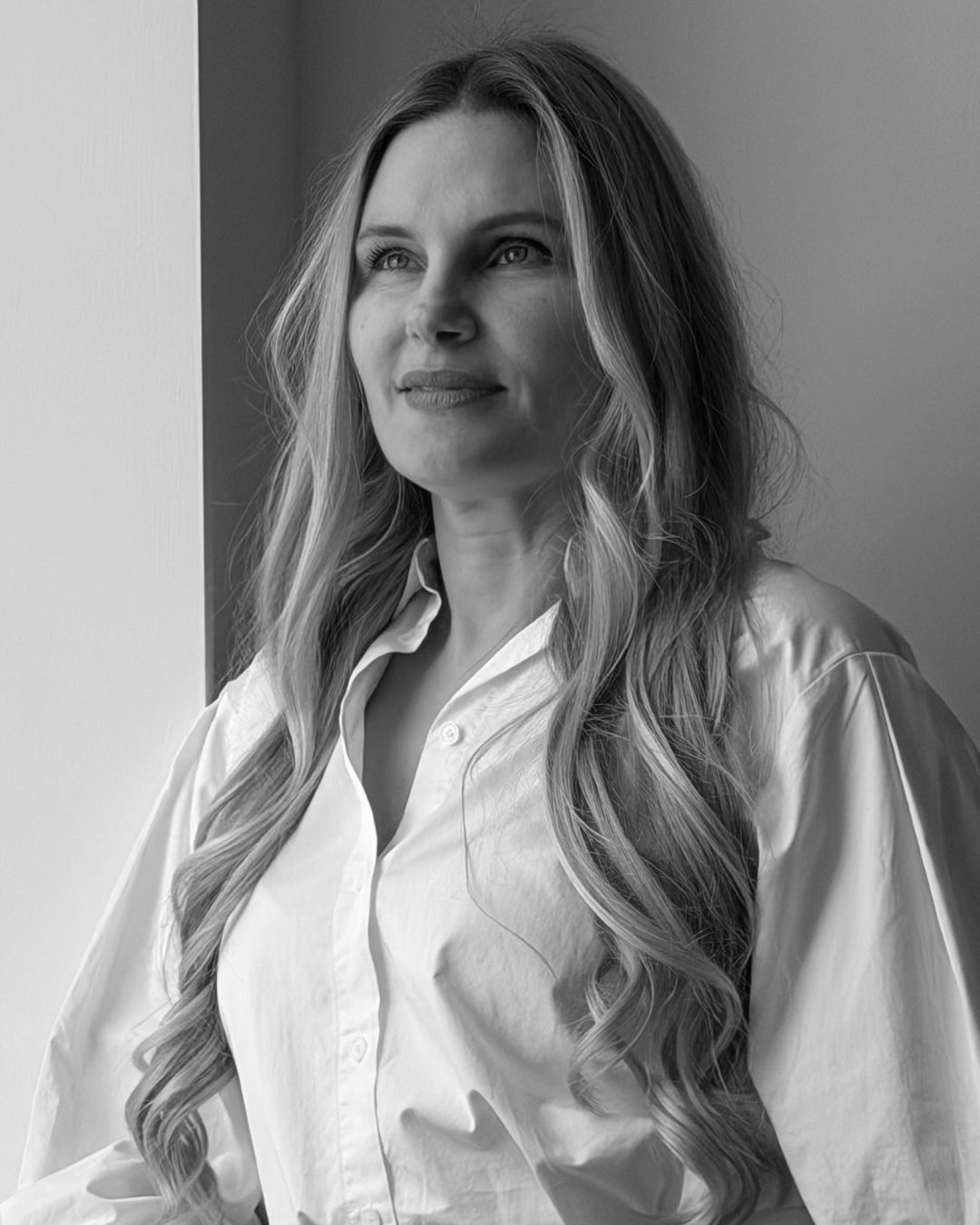
Elena Rolt - Nutritional Therapist at Sarah Chapman Medical
As a Nutritional Therapist, how have you seen the conversation around skin longevity evolve in recent years?
It’s been a genuinely exciting shift to witness. A few years ago, conversations around ageing were largely focused on what we applied to the skin – serums, treatments and injectables. Today, the conversation has become far more holistic. The concept of “inflammageing” has moved from academic journals into everyday client conversations. We’re seeing much greater awareness of the role that chronic, low-grade inflammation plays in the biological ageing process, including the effects on skin. I view skin longevity as a whole-body conversation rather than a purely cosmetic one, and now increasingly clients do too. They now come in asking about gut health, blood sugar balance and their microbiome in the same breath as their skincare routine, which simply wasn’t happening a few years ago.
What nutrients or dietary approaches do you believe are most important for supporting skin health and longevity?
If I had to pick just one place to start, it would be blood sugar regulation. It’s genuinely the most underrated skin longevity lever we have. Here’s a stat that surprises most people: Roughly 70% of the Advanced Glycation End-products (AGEs) that stiffen and cross-link our collagen are actually generated inside the body from everyday blood sugar fluctuations, with only around 30% coming directly from browned, grilled or sugar-and-protein-combined foods. AGEs are also one of the key drivers of “inflammageing” (the chronic, low-grade inflammation now understood to underpin biological ageing). So keeping glucose steady, through balanced meals and lower-glycaemic choices, does more for long-term skin health than almost any single supplement. Beyond blood sugar regulation, I play huge emphasis on an anti-inflammatory diet and lifestyle choices since inflammation is the thread running through nearly every skin concern I treat in clinic. I think about skin-supportive nutrition across four key pillars and encourage anyone to build their plate with all four in mind, rather than fixating on one “hero” ingredient:
- Collagen support: vitamin C, silica, copper, glycine/proline/hydroxyproline, and collagen or gelatine itself.
- Hydration and barrier function: omega-3s (EPA & DHA), hyaluronic acid, ceramides, zinc
- Antioxidant defence: alpha lipoic acid, vitamin E, glutathione, astaxanthin, green tea extract, pycnogenol, CoQ10
- Anti-inflammatory: vitamin A, vitamin D, polyphenols (green tea, resveratrol, curcumin), and probiotics/prebiotics
How can someone use nutrition to build a foundation for healthier, longer-lasting skin health rather than relying solely on topical treatments?
I often say that topical skincare works on the skin you have today, whereas nutrition helps build the skin you’ll have tomorrow. Skin cells turn over roughly every four to six weeks, and every new cell is built from whatever raw materials, hormones, and inflammatory signals are circulating in your body at the time. The foundation I always come back to is the gut-skin axis. If digestion is sluggish, the microbiome is imbalanced or gut permeability is increased, those inflammatory signals can quickly be reflected in the skin through breakouts, redness and dullness. My starting point is always to support digestion, nourish the microbiome through what I call my beloved “three Ps” (probiotics, prebiotics and polyphenols), and maintain steady blood sugar levels. Combined with adequate protein and key barrier-supporting nutrients, this creates the foundation for healthier, more resilient skin from the inside out rather than plastering over the cracks from the outside.
Are there any common dietary misconceptions that you see impacting skin health?
The top of my list would be:
“Healthy smoothies”. Many are, unfortunately, a sugar bomb in a nutritious-looking glass, and that sugar hit drives the same insulin spikes and inflammation as any fizzy drink.
“Intermittent fasting is automatically good for you”. This is a big one I see with women in particular. Done well, intermittent fasting can genuinely support cellular repair and metabolic health. Done poorly, it quietly turns into simply eating less overall, and that’s where skin starts to suffer. Collagen synthesis, barrier repair and hormone production all depend on a steady supply of protein, healthy fats and micronutrients, and if you’re compressing your eating window without actually meeting those needs, your skin (and often your cycle) will be among the first places to show it.
“Dairy-free automatically means better skin”. For some people with genuine sensitivities, yes; but it’s not a universal rule. What I see more often is people cutting out fermented dairy (specifically yoghurt and kefir) without realising these are some of the most accessible probiotic sources out there. Lose them for no real reason, and you can end up doing your gut-skin axis a disservice rather than a favour.
“Seed oils are simply healthy fats”. Many industrial seed oils used in processed and fast food are pro-inflammatory in the quantities we now consume them, which matters enormously for inflammatory skin conditions like acne, rosacea and eczema.
How can someone use nutrition to build a foundation for healthier, longer-lasting skin health rather than relying solely on topical treatments?
I often say that topical skincare works on the skin you have today, whereas nutrition helps build the skin you’ll have tomorrow. Skin cells turn over roughly every four to six weeks, and every new cell is built from whatever raw materials, hormones, and inflammatory signals are circulating in your body at the time. The foundation I always come back to is the gut-skin axis. If digestion is sluggish, the microbiome is imbalanced or gut permeability is increased, those inflammatory signals can quickly be reflected in the skin through breakouts, redness and dullness.
My starting point is always to support digestion, nourish the microbiome through what I call the “three Ps” (probiotics, prebiotics and polyphenols), and maintain steady blood sugar levels. Combined with adequate protein and key barrier-supporting nutrients, this creates the foundation for healthier, more resilient skin from the inside out rather than plastering over the cracks from the outside.
Want to learn more about Sarah Chapman and her skincare range, Sarah Chapman Clinic? Tune into our latest conversation with Sarah here.


